The $30 Fix That Makes a $15 Shirt Look Like It Cost $150
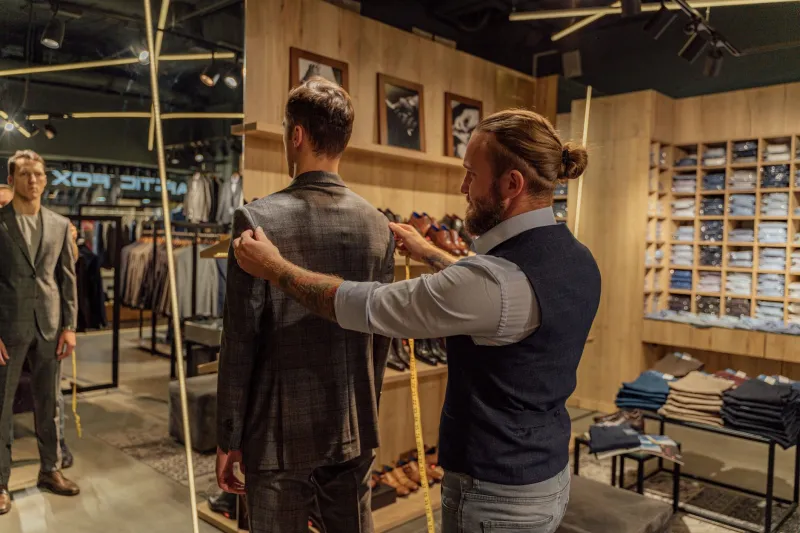
There's a styling secret that most people don't talk about, and it has nothing to do with what brand you're wearing or how much you spent. It's fit. Specifically, the kind of precise, tailored fit that makes a garment look like it was made for your body — because after a quick trip to the tailor, it basically was.
Here at The Wootique, we're all about getting the most out of every dollar you spend on your wardrobe. And one of the highest-return moves you can make? Spending a fraction of an item's cost on alterations that completely change how it looks and wears.
Why Fit Is the Real Flex
Walk into any high-end boutique and pick up a $400 blouse. Then walk into H&M and grab one for $20. Try them both on without altering either. There will be a visible difference — but it might not be as dramatic as you'd expect. Now imagine getting that $20 blouse tailored to your exact measurements. The gap closes significantly.
That's because the human eye reads fit as quality. When a garment sits perfectly on your shoulders, skims your waist in the right place, and hits at a flattering length, your brain registers it as expensive — regardless of the price tag. Off-the-rack sizing is designed for an average body that, honestly, most of us don't have. Alterations are the cheat code.
The Alterations That Give You the Most Bang for Your Buck
Not every alteration is worth the investment, and knowing which ones to prioritize is key to making this strategy work.
Taking in the waist on pants or a skirt: $15–$25 This is probably the highest-ROI alteration in existence. A pair of trousers that fits perfectly through the waist and seat instantly looks tailored and intentional. Baggy or gaping waistbands are one of the most common giveaways of an ill-fitting, cheap-feeling garment.
Hemming pants: $10–$20 Dragging hems are a dead giveaway. Whether you're wearing wide-leg trousers or straight-cut jeans, the right length changes the entire silhouette. This is especially true for petite shoppers, who often find that off-the-rack lengths are just too long.
Shortening sleeves: $15–$30 Sleeve length is one of those things that's easy to overlook but impossible to unsee once you notice it. Sleeves that hit at the right point on your wrist make a blazer or button-down look genuinely custom.
Taking in the sides of a top or dress: $20–$40 This one is transformative. A boxy, shapeless top becomes a fitted, flattering piece with a simple seam adjustment on each side. This alteration works especially well on structured pieces like blazers, button-downs, and shift dresses.
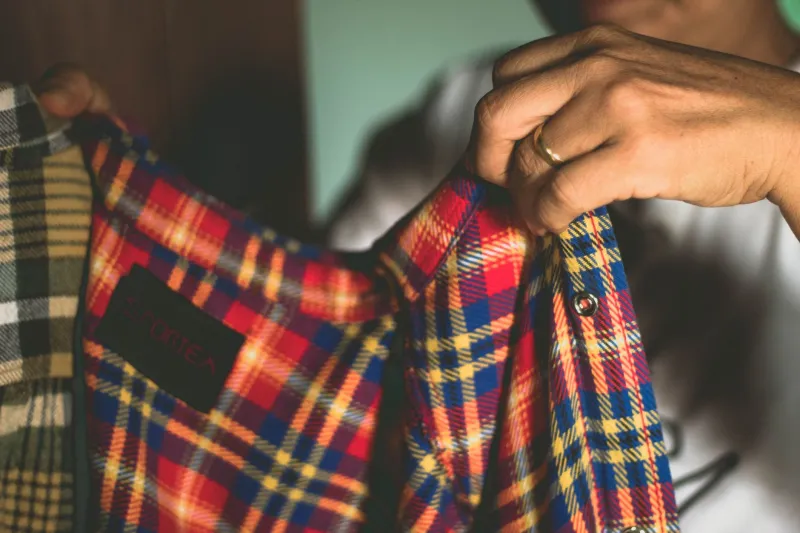
Replacing buttons: $5–$15 This sounds minor, but swapping out cheap plastic buttons for quality ones — horn, metal, or mother-of-pearl — is a fast-fashion upgrade that looks genuinely luxe. It's the kind of detail that makes people ask, "Where is that from?" in the best possible way.
Before and After: What a Tailor Actually Does
Let's make this concrete. Imagine a $35 blazer from a fast fashion retailer. Off the rack, it's boxy through the body, the sleeves are a half-inch too long, and the cheap silver buttons look exactly as affordable as the price tag suggests. Total cost: $35.
Now you take it to a tailor. They take in the sides ($25), shorten the sleeves ($20), and you spend $8 on a set of navy horn buttons to replace yourself at home. Total additional spend: $53. Grand total: $88.
What you have now is a fitted, detailed blazer that looks like it belongs in a $200 price range. The shape is clean, the sleeves hit correctly, and the buttons read as intentional. That's the transformation we're talking about.
How to Actually Work With a Tailor (Especially If You've Never Been)
If walking into a tailor's shop feels intimidating, you're not alone. A lot of people assume tailors are only for suits and special occasions, or that they'll judge you for bringing in something that cost $25. Neither is true. Tailors are practical people who love a good puzzle, and a well-worn fast fashion piece is just another project.
Finding one: Ask around for local recommendations — a good tailor often runs on word of mouth. Yelp and Google Reviews are also solid starting points. Look for someone who does alterations regularly, not just formal wear.
What to bring: Wear the item to your appointment, or bring the shoes you plan to wear with it (especially important for hemming pants). The more context you give, the better the result.
Be specific: Don't just say "it feels too big." Point to exactly where it's not fitting — the shoulders, the waist, the hips. Show them a photo of how you want it to look if that helps communicate your vision.
Ask for a quote upfront: A good tailor will give you a price before they start. If something sounds more expensive than expected, it's okay to ask why — or to prioritize which alterations matter most to you.
Know your limits: Not every alteration is cost-effective. If a piece needs extensive restructuring — moving shoulder seams, for example — the cost might exceed the value. A tailor will usually tell you honestly if something isn't worth it.
The Pieces Worth Altering (And the Ones to Skip)
Alterations make the most sense on pieces with longevity and wear potential. A classic blazer, a well-cut pair of trousers, a structured dress, a quality denim jacket — these are worth investing in because you'll wear them for years. A trendy micro-trend piece you'll wear for one season? Probably not worth the tailoring budget.
Also worth noting: structured fabrics alter more cleanly than stretchy or delicate ones. Woven fabrics like cotton, linen, and denim are the easiest and most cost-effective to work with. Heavily beaded, embellished, or stretch-heavy pieces can be trickier and more expensive.
The Bigger Picture
Shifting your mindset from "buy more" to "buy smart and invest in fit" is genuinely one of the best style upgrades you can make. It means spending less overall, keeping pieces longer, and walking out the door every day in clothes that look like they were made for you — even if they came off a sale rack.
That's the Wootique philosophy in a nutshell: curated choices, thoughtful investments, and style that works harder for you. A tailor is just one more tool in that toolkit — and honestly, one of the most underrated ones out there.