30 Pieces, Endless Possibilities: How a Capsule Wardrobe Changed the Way We Shop
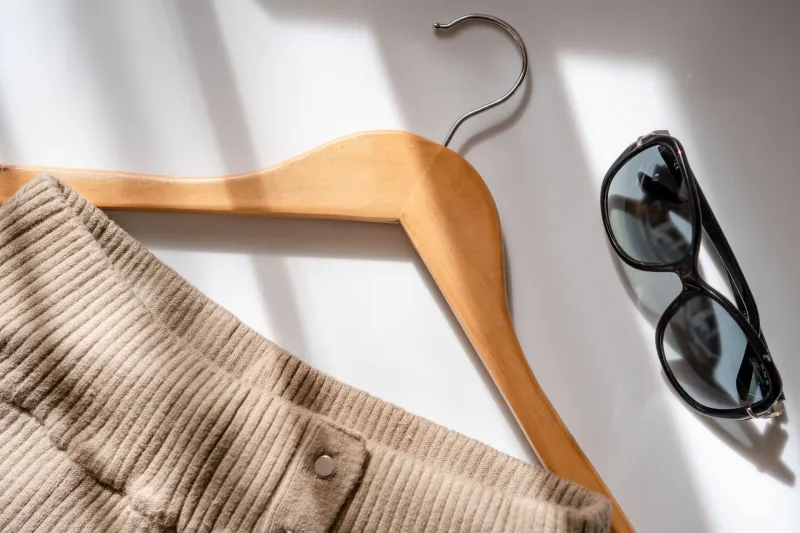
Let's be honest — most of us have way too many clothes and somehow nothing to wear. Sound familiar? That's not a personal failing; it's just what happens when shopping becomes a habit instead of an intention. The capsule wardrobe concept flips that script entirely, and once you try it, going back to a stuffed, chaotic closet feels almost unthinkable.
At The Wootique, curation is literally our whole thing. We don't throw every trend at you and hope something sticks. We hand-pick pieces that earn their place — and that's exactly the mindset behind building a capsule wardrobe that actually works.
So, What Even Is a Capsule Wardrobe?
The term was coined back in the 1970s by London boutique owner Susie Faux, and later popularized by Donna Karan's iconic "Seven Easy Pieces" collection. The idea is simple: a tightly edited collection of versatile, high-quality items that mix and match effortlessly. Think fewer decisions, less clutter, and more style per square inch of closet space.
The sweet spot for most people? Somewhere around 30 to 37 pieces for a single season, not counting workout gear or special occasion items. That number sounds small until you realize how many outfit combinations you can actually pull from it.
The Wootique 30-Piece Capsule Blueprint
Here's a starter framework we love. Think of it less as a rigid list and more as a flexible guide you can personalize based on your lifestyle, climate, and aesthetic.
Tops (10 pieces)
- 2 classic white or cream tees (one fitted, one relaxed)
- 1 striped long-sleeve tee
- 2 blouses — one casual, one elevated
- 1 silk or satin cami
- 1 lightweight knit sweater
- 1 chunky cardigan
- 1 button-down shirt (chambray or crisp cotton)
- 1 turtleneck
Bottoms (7 pieces)
- 2 pairs of jeans (one dark wash, one light or white)
- 1 pair of tailored trousers
- 1 midi skirt
- 1 pair of casual shorts or linen pants (season-dependent)
- 2 leggings or ponte pants for low-key days
Dresses & Jumpsuits (3 pieces)
- 1 casual day dress
- 1 wrap or midi dress that can dress up or down
- 1 jumpsuit or romper
Outerwear (4 pieces)
- 1 classic trench coat
- 1 denim jacket
- 1 blazer (neutral tone)
- 1 puffer or wool coat depending on your winters
Shoes (6 pieces)
- 1 pair of white sneakers
- 1 pair of ankle boots
- 1 pair of loafers or mules
- 1 pair of strappy sandals
- 1 pair of block heels
- 1 pair of casual flats
Accessories (included in your 30)
- 2 bags (a structured tote and a crossbody)
- 2 scarves or belts to switch up silhouettes
Obviously, this is a jumping-off point. If you live in Miami, you're swapping that wool coat for a second sundress. New Yorkers might need an extra layer situation. The point is intentionality, not rigidity.
Why Quality Over Quantity Is a Non-Negotiable
Here's the math that changed our perspective: a $180 blazer you wear 40 times costs you $4.50 per wear. A $30 fast fashion version you wear twice before it pills and loses its shape? That's $15 per wear. The "affordable" option is actually more expensive in practice.
This is the core philosophy behind everything we stock at The Wootique. We're not interested in filling pages with throwaway pieces. Every item we carry is chosen because it has staying power — in terms of construction, style relevance, and versatility. When you're building a capsule wardrobe, that kind of curation matters more than ever, because every piece needs to pull its weight.
Look for natural fibers like cotton, linen, wool, and silk whenever your budget allows. They breathe better, last longer, and tend to look more polished over time rather than degrading after a few washes.
The Art of the Mix-and-Match
Okay, so you've got your 30 pieces. Now the fun part — making them work together. The secret to a high-functioning capsule is building around a cohesive color story. That doesn't mean everything has to be neutral (boring), but it does mean your pieces should be able to "talk" to each other.
A simple approach: choose two or three neutrals as your foundation (think navy, camel, ivory, or classic black), then layer in two or three accent colors that feel personal to you. Maybe that's terracotta and sage. Maybe it's cobalt and blush. The key is that your accent pieces can mix with your neutrals without clashing.
From just 10 tops and 7 bottoms, you technically have 70 different top-and-bottom combinations before you even factor in layering, accessories, or shoes. Add a blazer over a casual tee? Different outfit. Tuck that blouse into a midi skirt and add a belt? Totally new vibe. The combinations multiply fast.
Killing Decision Fatigue (For Real)
There's actual science behind why a smaller, well-organized wardrobe makes you feel better. The concept of "decision fatigue" — the mental drain that comes from making too many choices — is real, and your closet is a major contributor for a lot of people. When everything in your wardrobe is something you genuinely love and know works, getting dressed shifts from a source of stress to something that actually sets a positive tone for your day.
Steve Jobs wore the same outfit every day. Mark Zuckerberg famously does the same. We're not saying go that extreme — that would defeat the whole purpose of having a fashion-forward closet — but the underlying logic is sound. Fewer decisions about what to wear frees up mental energy for literally everything else.
How to Transition Without Starting From Scratch
Building a capsule doesn't mean burning your current wardrobe to the ground. Start with a closet audit. Pull everything out, and sort into three piles: love and wear regularly, maybe/situational, and hasn't-been-touched-in-over-a-year. That last pile? Donate, sell, or recycle it. Platforms like ThredUp, Poshmark, and Depop make it easy to give your pieces a second life while recovering some cash to reinvest in quality.
Once you've got your foundation, identify the gaps. Maybe you're heavy on tops but have zero good trousers. Maybe your shoe game is lacking. That's your intentional shopping list — and that's how The Wootique is meant to be used. Not as a place to browse endlessly, but as a destination to find exactly what your wardrobe is missing.
The Wootique Take
A capsule wardrobe isn't about wearing less. It's about wearing better. It's about opening your closet on a Monday morning and feeling like you've already got it together before you've even had your coffee. That's the energy we're going for — and honestly, it's the energy every piece in our shop is chosen to deliver.
Start small. Be intentional. And shop like every piece is earning a permanent spot in your rotation — because with a capsule mindset, it is.